How Invisalign Supports Better Smile Confidence
A straighter smile changes more than photographs. It can change the way someone speaks in meetings, laughs without covering their mouth, or agrees to be in family pictures instead of volunteering to stand behind the camera. Confidence around teeth is rarely vanity alone. It often sits at the intersection of appearance, comfort, oral health, and social ease.
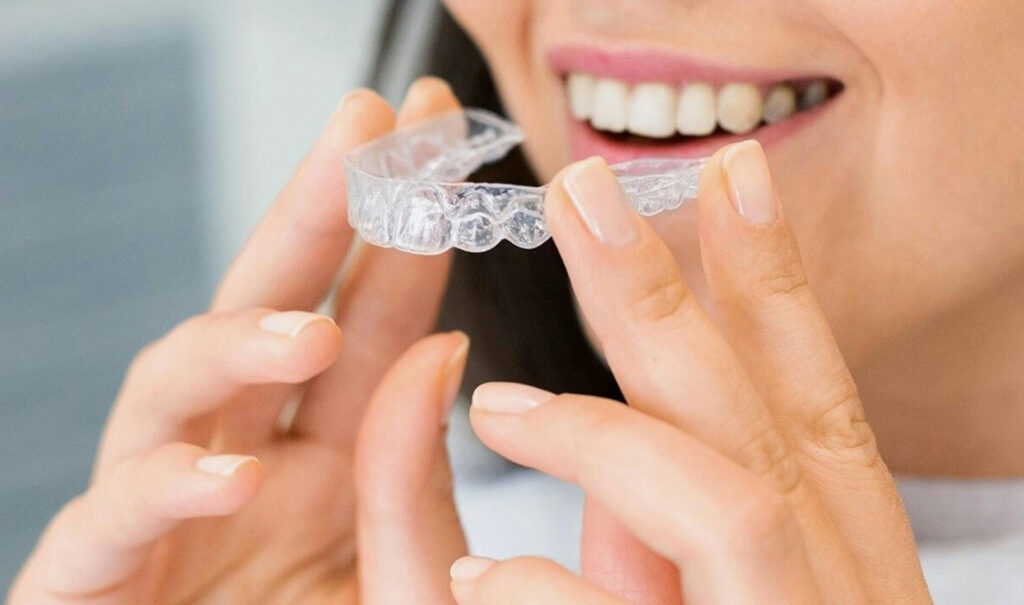
That is where Invisalign has earned its place. For many adults and teens, the appeal is obvious at first glance. The aligners are clear, removable, and usually less noticeable than fixed braces. But the real value goes deeper. Invisalign often supports smile confidence because it fits more smoothly into daily life, gives people a sense of control during treatment, and produces visible progress in manageable stages. Those details matter more than marketing slogans ever do.
Anyone considering orthodontic treatment should understand that no system is magic. Invisalign is highly effective for many cases, but not all. Success depends on case selection, patient compliance, and a treatment https://devintnhu643.opalvector.com/posts/why-invisalign-is-a-game-changer-for-smile-makeovers plan designed by a skilled dental professional. Still, when those pieces line up, the impact on confidence can be significant and lasting.
Confidence starts before the teeth are perfectly straight
One of the most interesting things about Invisalign is that people often feel better before treatment is finished. That surprises patients who assume confidence only arrives when the final tray is done and the last photo is taken. In practice, small shifts can have a big emotional effect.
A person with one front tooth that overlaps the other might notice improvement within a few months. Someone who has always angled their face in pictures to hide crowding may stop doing that long before the case is complete. Those are not trivial changes. They reflect a reduction in self-conscious habits that may have built up over years.
I have seen this especially with adults who delayed orthodontic treatment because they believed braces belonged to adolescence. Once they begin wearing aligners and realize most coworkers barely notice them, the emotional barrier starts to soften. They smile more openly, and not because the treatment is over. They smile because they no longer feel stuck.
That sense of movement matters. Confidence grows when people feel they are actively addressing something that has bothered them, even if the end result is still months away.
The discreet factor is not superficial
People sometimes dismiss the aesthetic advantage of clear aligners as a purely cosmetic preference. That misses the point. The low visibility of Invisalign can make treatment feel socially manageable, and that can determine whether someone starts at all.
Traditional braces remain an excellent option in many situations. They are reliable, versatile, and often the better tool for more complex tooth movements. But some adults hesitate because they worry about the look of brackets in professional settings, client-facing roles, or formal events. For them, the barrier is not laziness or vanity. It is practical discomfort about being seen during treatment.
Invisalign lowers that barrier. The aligners are not invisible, despite the name, but they are subtle enough that many conversations happen without the other person noticing them. That matters for teachers, attorneys, sales professionals, hospitality staff, performers, and anyone who spends a large part of the day speaking face-to-face.
Discretion also helps teens who feel especially aware of appearance. Not every teenager cares, but many do. If an aligner system makes treatment easier to accept, that can improve willingness to follow through. Orthodontics only works when the patient actually participates.
Why daily comfort affects self-esteem
Smile confidence does not come only from how teeth look. It is also shaped by whether a person feels physically at ease. When teeth are crowded, protruding, or unevenly spaced, people may become hyperaware of their mouth. They may dislike the way their lips sit at rest, feel bothered by food trapping, or notice irritation from bite issues.
Invisalign can improve confidence partly because the treatment experience often feels less intrusive than fixed braces. There are no brackets rubbing against cheeks, no emergency visits for broken wires, and usually fewer sudden sharp edges that demand wax and patience. That does not mean aligners are pain-free. Tooth movement creates pressure, especially when switching to a new tray. But the discomfort tends to be described as controlled and temporary rather than chaotic.
That distinction affects how people carry themselves. A person who is not worrying about visible hardware or mouth irritation during a presentation is freer to focus on the presentation itself. A college student who is not anxious about food caught in brackets after lunch may be less self-conscious heading into class.
The psychological effect of treatment convenience is often underestimated. Ease supports consistency, and consistency supports results. Results, in turn, support confidence.
The removability advantage, and the responsibility that comes with it
The removable design of Invisalign is one of its greatest strengths. It also exposes the biggest trade-off. Patients can take aligners out to eat, drink anything other than water, brush, floss, or attend a special event. That flexibility makes treatment feel more normal, which can preserve confidence in social settings.
Think about a wedding, a graduation, a job interview, or a recorded presentation. Being able to briefly remove aligners can help someone feel polished and composed. For patients who speak for a living, that option can make treatment feel workable rather than disruptive.
But removability demands discipline. Invisalign generally works best when worn about 20 to 22 hours a day, though exact instructions can vary by case. Patients who frequently leave trays out, snack constantly, or forget to put aligners back in often slow their progress. When treatment stalls, so does morale.
This is worth saying plainly: Invisalign supports confidence best for people who are ready to cooperate with the process. The system offers freedom, but that freedom is useful only when paired with routine. A motivated patient often thrives with aligners. A patient who wants the appliance to do all the work without behavior changes may struggle.
The social side of speech and smiling
One concern many people have before starting Invisalign is speech. Any appliance that sits over teeth can affect pronunciation at first, particularly sounds like s, sh, or z. Most people adapt within days to a couple of weeks, but that short adjustment period matters if the patient is about to give lectures, appear in court, record a podcast, or perform on stage.
In real life, the speech issue is usually temporary and manageable. Reading aloud at home, staying hydrated, and wearing the aligners consistently often helps the tongue adapt faster. Once that period passes, many patients report that the aligners become part of the background of daily life.
Then the confidence shift becomes more visible. Smiling starts to look less practiced and more spontaneous. Patients stop checking their reflection before conversations. They stop wondering whether their teeth are the first thing others notice. This kind of relief is subtle, but it can reshape a person’s social behavior.
A straight smile does not automatically produce self-esteem. Human confidence is more complicated than that. Still, reducing a persistent source of self-consciousness can free up mental energy. Many people do not realize how much attention they have been spending on hiding their teeth until they no longer feel the need to.
Better alignment can improve oral health, which feeds confidence too
It is tempting to discuss Invisalign only in terms of appearance. That leaves out an important part of the story. Teeth that are more evenly aligned are often easier to clean. When crowding is reduced, brushing and flossing become more effective. That may help lower the risk of plaque buildup, gum inflammation, and the kind of chronic irritation that quietly erodes confidence over time.
There is also the issue of bite. Some patients seek treatment because their front teeth flare, their bite feels off, or certain teeth absorb more force than they should. When a bite improves, people may notice less strain, better function, and less anxiety about damaging teeth that already feel vulnerable.
Health and confidence are closely linked. A person who feels their mouth is clean, stable, and easier to maintain usually carries that feeling into social situations. They smile without wondering whether something looks off. They attend cleanings with less dread. They are less likely to feel embarrassed by recurring issues caused or worsened by crowding.
This should not be oversold. Invisalign is not a cure-all for every oral health concern. It will not reverse gum disease on its own, and it is not appropriate for every bite problem. But in the right case, improved alignment can create practical oral health benefits that reinforce the emotional benefits.
What treatment can realistically address
Smile confidence improves most when expectations are realistic. Some people imagine that Invisalign will completely transform every aspect of facial appearance. Others assume it can only make minor cosmetic tweaks. Both views are too narrow.
Invisalign can often treat mild to moderate crowding and spacing very effectively. It can also handle many more involved cases when attachments, elastics, refinements, and careful planning are used. Yet there are still situations where traditional braces may be more efficient or more predictable. Severe rotations, significant vertical discrepancies, certain skeletal problems, and complex bite corrections may push the decision in another direction.
A good consultation should feel honest rather than promotional. The provider should explain what can likely be improved, what may take longer, and whether compromises are involved. Confidence in the process begins with trust in the treatment plan. If a patient feels oversold or underinformed, that uncertainty tends to linger.
A practical comparison helps:
| Consideration | Invisalign | Traditional braces | |---|---|---| | Visibility | Usually subtle | More noticeable | | Removability | Yes, for eating and cleaning | No | | Compliance need | High, patient-dependent | Lower, appliance stays on | | Comfort profile | Smooth trays, pressure with changes | Brackets and wires may irritate | | Best for every case? | No | No, but often better for complex control |
That table is not a verdict. It simply reflects the reality that orthodontic tools have strengths and limits. The best option is the one that matches the biology, the lifestyle, and the patient’s ability to follow instructions.
Small milestones can be powerfully motivating
One reason Invisalign supports better smile confidence is that progress often feels visible in increments. Each set of aligners represents movement. Digital scans and projected treatment models can also help patients see where they are heading, which gives the process a sense of structure.
That matters psychologically. Long treatments are easier to stick with when there are signs of progress along the way. A patient may compare photos taken three months apart and notice that the lateral incisor no longer sits behind the central incisor. Another may realize that a gap that bothered them during every video call is nearly gone. These are measurable changes, not vague promises.
Orthodontic treatment can still test patience. Refinement trays are common. Teeth do not always track perfectly. Buttons and attachments may make the aligners more noticeable than expected. Yet even with those caveats, the stepwise nature of Invisalign often helps people stay engaged. They can see the process unfolding rather than feeling stuck in one static appliance for months.
When motivation stays high, confidence tends to rise with it.
Habits that make the experience smoother
Most successful Invisalign patients are not the ones with perfect discipline from day one. They are the ones who build simple systems and stick to them. Confidence comes more easily when treatment feels organized instead of constantly improvisational.
A few habits make a disproportionate difference:
- Put aligners back in immediately after meals, rather than leaving them out while the day gets busy.
- Carry a toothbrush, floss, and aligner case, especially during workdays and travel.
- Change trays on a night before a lighter morning, since new aligners can feel snug for several hours.
- Keep follow-up appointments, because minor tracking issues are easier to fix early.
- Wear retainers exactly as directed after treatment, or the confidence gained can slowly unravel.
None of those steps are glamorous. They are simply the mechanics behind good results. Patients who respect the routine usually feel more in control, and that sense of control reduces treatment stress.
Adults often experience a different kind of confidence boost than teens
Teens and adults both benefit from straighter teeth, but the emotional context differs. Teenagers are often navigating peer perception, school photos, sports, and a strong desire not to stand out for the wrong reason. For them, Invisalign can feel less socially loaded than braces, provided they are responsible enough to wear it consistently.
Adults tend to carry a longer history with their smile. Some have spent 10 or 20 years saying, “I’ve always wanted to fix this.” Others had braces when they were younger but saw relapse after skipping retainers. Their confidence boost often includes relief, not just excitement. Relief that they finally addressed something that had quietly bothered them for years.
There is also a financial and personal agency component for adults. Choosing orthodontic treatment for oneself can feel empowering. It is an investment in professional presence, personal comfort, and long-term oral health. That choice alone can improve confidence because it reflects self-respect and intentionality.
Where Invisalign may not be the best path
A balanced discussion needs this section. Invisalign is not automatically the confidence-maximizing choice for every patient. Sometimes the appliance that looks more discreet at first becomes frustrating if the patient dislikes removing it for every snack or coffee. Sometimes a person’s schedule and habits make compliance unrealistic. Sometimes the biology of the case simply calls for another approach.
There are also people who become overly fixated on the aligners themselves. They may constantly remove them for fear of being seen with them, which compromises treatment. Or they may feel anxious about attachments on the teeth because those can catch light and become visible up close. For these patients, honest counseling matters. A subtle treatment that is never worn properly is not subtle for long, because progress stalls.
Confidence comes from a treatment plan that works in real life, not just in theory. The best provider will weigh social concerns alongside bite mechanics, oral hygiene habits, and patient temperament.
The finish line matters, but retention matters more than most people expect
People often focus so intensely on getting through treatment that they overlook what comes after. Yet retainers are what protect the confidence Invisalign helps create. Teeth have memory. Left alone, they can drift. Sometimes the change is minor. Sometimes it is enough to reopen a gap or bring back visible crowding.
That does not mean retention is burdensome forever in the same way active treatment is. But it does require respect. Patients who wear retainers as instructed preserve not only alignment, but also the emotional payoff of the effort, time, and cost they invested.
A smile that feels easy and natural usually reflects maintenance, not luck. Confidence tends to last when the result is protected.
What people are really asking when they ask about Invisalign
When someone asks whether Invisalign is worth it, they are often asking several questions at once. Will this fit into my life? Will it actually work for me? Will I feel awkward? Will people notice? Will I look better? Will I finally stop thinking about my teeth so much?
Those are reasonable questions. The answer is not identical for every patient, but a clear pattern emerges in well-selected cases. Invisalign supports better smile confidence because it combines visible improvement with a treatment experience many people find easier to live with. It respects the realities of work, meals, social events, and adult self-awareness. It gives patients a sense of participation rather than passivity. And when the plan is sound and the wear time is consistent, it can produce changes that show on the face and in behavior.
The most meaningful confidence shifts are often the quiet ones. The person who speaks up more in meetings. The bride who smiles fully in every photo. The teenager who stops practicing a closed-mouth grin in the mirror. The father who finally books family portraits instead of avoiding them another year. These moments are not about perfection. They are about freedom from a small but persistent source of hesitation.
That is where Invisalign tends to shine. Not because it promises a flawless smile, but because it can help people feel more at ease showing the one they have.
Omni Dental Specialty
Address: 1690 E Gonzales Rd, Oxnard, CA 93036
Phone number: +18053666000
FAQ About Invisalign
How much does Invisalign actually cost?
The out-of-pocket cost for Invisalign typically ranges between $3,000 and $8,000, with most patients paying a national average of roughly $5,100 to $5,700 before insurance.
What is the downside to Invisalign?
The biggest downsides to Invisalign are the intense discipline required to wear the trays 22 hours a day, the inconvenience of removing them to eat or drink, and the inability to fix severe, complex orthodontic issues.
Is $5000 a lot for Invisalign?
No, $5,000 is not considered a lot for Invisalign; it is exactly the national average. Treatment costs typically fall between $3,000 and $8,000, and $5,000 is the standard fee for a moderately complex case that takes 6 to 18 months to complete.