General Dentistry Aurora for Consistent, Personalized Smile Care
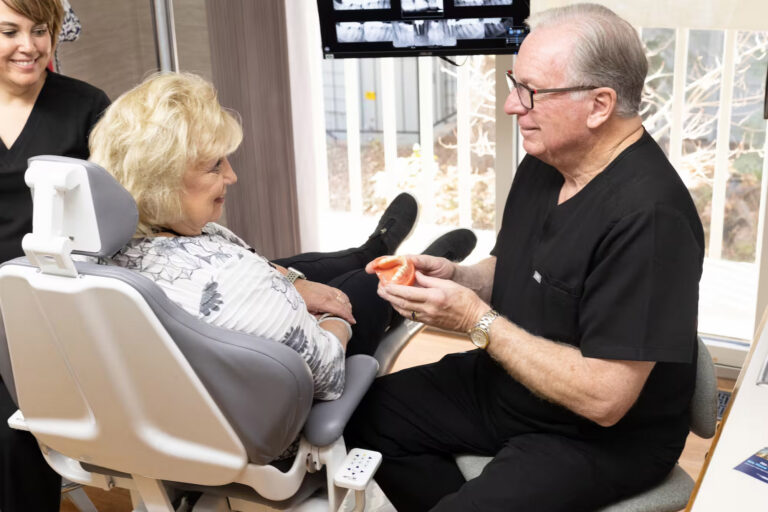
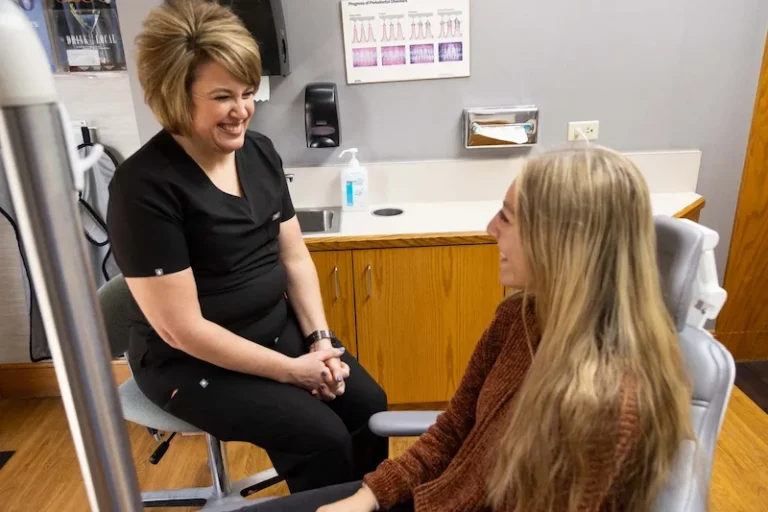
A healthy smile rarely comes from occasional, last-minute dental visits. More often, it reflects something steadier: routine care, a familiar dental team, and treatment decisions shaped around the person rather than just the tooth. That is where General Dentistry Aurora practices can make a real difference. The best general dental care is not flashy. It is dependable, observant, and personal. It helps children learn good habits early, gives adults a practical path for maintenance, and supports older patients as their oral health needs shift over time.
When people hear the phrase General Dentistry, they sometimes think only of cleanings and cavity checks. Those are important, but they are only part of the picture. General dental care sits at the center of long-term oral health. It tracks changes from year to year, catches small problems before they become expensive ones, and helps patients make sensible decisions about prevention, function, and comfort. In a place like Aurora, where families, professionals, retirees, and growing children all have different schedules and needs, that consistency matters more than many realize.
What personalized dental care actually looks like
Personalized care in dentistry is not a slogan. It shows up in small, practical ways. A dentist who remembers that a patient clenches during stressful work weeks may watch for wear patterns and suggest a night guard before fractures develop. A hygienist who notices gum tenderness around crowded lower front teeth may adjust home care coaching instead of repeating generic advice. A front desk team that understands a parent is juggling school pickups and work deadlines may help structure appointments so preventive care remains realistic rather than becoming another postponed task.
Good personalized care starts with attention. The dentist is not simply searching for cavities. They are learning how you brush, whether you skip flossing because it hurts, whether dry mouth started after a medication change, whether you grind your teeth, and whether you have old dental work that may be nearing the end of its lifespan. These details matter because mouths are not static. Even patients with excellent habits can develop issues related to stress, aging, diet, medical conditions, or old restorations.
In strong General Dentistry Aurora offices, treatment planning often reflects this reality. One patient may need simple preventive maintenance and periodic x-rays. Another may need closer gum monitoring because of a family history of periodontal disease. Someone else may benefit most from replacing a chipped filling before it turns into an emergency. Personalized care is not about doing more. It is about doing what fits, when it fits, for the right reason.
The value of consistency over time
There is a practical advantage to seeing the same dental team regularly. Continuity creates a baseline. A dentist who has examined your teeth for several years can often detect subtle changes faster than someone seeing you for the first time. That might be a faint crack line in a molar, gradual recession around a canine, a shifting bite, or a spot that is not yet urgent but deserves watching.
This long view often prevents bigger problems. A small cavity caught between appointments may need only a modest filling. Leave it long enough and the same tooth can need a crown or root canal. Mild gingivitis can often improve with better home care and a professional cleaning. Ignore bleeding gums for months or years and you may be dealing with deeper periodontal issues that threaten bone support.
Patients sometimes underestimate how much consistency lowers anxiety too. Familiarity helps. When you know the office, the sounds, the staff, and the pace of the appointment, dental care feels less disruptive. Children benefit especially from this. So do adults who had difficult dental experiences years ago and need a calmer, more predictable setting to rebuild trust.
There is also a financial angle. Preventive visits are almost always less costly than emergency treatment. While no dentist can eliminate every future problem, regular checkups shift the odds in your favor. You spend more time maintaining and less time repairing.
General Dentistry as the foundation of oral health
Specialists play an essential role, but general dentists are usually the first line of defense. They manage everyday care and coordinate next steps when needed. That broad scope is one reason General Dentistry remains so important. It serves as both a maintenance system and an early warning system.
A general dentist typically addresses concerns such as tooth decay, worn fillings, mild to moderate gum issues, bite changes, tooth sensitivity, oral hygiene coaching, and the monitoring of soft tissue health. They also help patients understand when a referral makes sense, whether to an orthodontist, periodontist, endodontist, or oral surgeon. Done well, that coordination saves patients from confusion and unnecessary delays.
In practice, many dental problems do not announce themselves dramatically at first. A person may notice occasional cold sensitivity, a rough edge on a tooth, food packing between two teeth, or bleeding when brushing. These are easy to dismiss, especially when life is busy. A good general dentist treats these details seriously enough to investigate, but not so aggressively that every minor issue becomes a major intervention. That balance is part of professional judgment.
Why prevention is more than a cleaning every six months
The six-month recall schedule is common for a reason, but prevention is broader than a calendar reminder. It includes risk assessment, home care habits, diet, saliva, bite forces, and the condition of existing dental work. Some patients genuinely do well with standard six-month visits. Others benefit from more frequent hygiene care, especially if they have periodontal history, orthodontic appliances, chronic dry mouth, or higher cavity risk.
One of the more overlooked preventive tools is conversation. A dentist may notice a pattern and ask the question that unlocks the issue. Has heartburn become more frequent? Are sports drinks replacing water during long shifts? Did a new medication cause dryness? Did braces come off recently, making flossing harder in one area? These discussions often explain what the clinical exam alone cannot.
Prevention also means tracking restorations before they fail badly. Fillings and crowns do not last forever. Their lifespan depends on size, bite pressure, hygiene, grinding, and material. A filling with a tiny marginal defect may remain stable for a while, or it may start collecting decay if conditions are right. Monitoring that tooth carefully can spare the patient a surprise fracture later.
The preventive side https://blogfreely.net/andyarwuez/family-oral-care-made-simple-with-general-dentistry-aurora of General Dentistry Aurora care often includes a mix of examination, hygiene therapy, x-rays when appropriate, fluoride for patients who need added protection, sealants in some children or teens, and tailored home care instruction. None of that is glamorous, but it is where the real long-term wins happen.
How family dental care changes with age
A strong general practice usually learns to adapt care across life stages. What works for a seven-year-old is not what works for a forty-year-old executive with jaw tension, and neither is the same as care for a seventy-five-year-old managing dry mouth and multiple medications.
For children, success often begins with comfort and routine. The visit needs to feel approachable. The clinical goals are important, but so is setting the tone for a lifetime of care. Children do best when the dental office helps them understand what is happening in plain language and keeps experiences predictable. Early visits are often about education as much as treatment.
For teenagers, the focus often shifts. Diet becomes less predictable, sports may increase the chance of dental injuries, and oral hygiene can become inconsistent. Orthodontic concerns may also overlap with routine care. This is often the age when dentists start seeing the effects of energy drinks, frequent snacking, and rushed brushing.
Adults usually face a different set of issues. Old fillings begin to age. Stress-related grinding appears. Cosmetic concerns and functional concerns often intersect. People may want whiter teeth, but they also need someone to evaluate why the front edges are chipping. Adults often appreciate a dentist who can discuss trade-offs honestly rather than overselling treatment.
Older adults may need care adjusted around medical complexity. Medications can reduce saliva, making decay more likely. Arthritis can affect brushing and flossing ability. Gum recession may expose root surfaces that decay more easily. Existing crowns, bridges, and dentures often need closer review. Thoughtful General Dentistry is especially valuable here because oral health and overall health become more interconnected with age.
What patients should expect from a well-run general dental office
Not every dental office operates the same way, and patients are usually quick to notice the difference. A well-run practice respects time, communicates clearly, documents findings carefully, and explains options without pressure. It also pays attention to comfort, because even routine care can be stressful for some people.
Patients should expect an exam that is more than a quick glance. That means review of health history, discussion of symptoms, appropriate imaging when needed, and a plain-language explanation of findings. If treatment is recommended, the rationale should be understandable. If a problem can be monitored instead of treated immediately, that should also be explained.
The most reassuring offices are often the ones that avoid extremes. They do not minimize real issues, but they also do not turn every stain line into a crisis. They know when to intervene, when to watch, and how to help patients prioritize. If several needs exist at once, a good dentist can stage care sensibly around urgency, budget, and long-term goals.
Here are a few signs that a general dental practice is focused on consistent, personalized care:
- The team reviews your health history and asks about changes since the last visit.
- Recommendations are explained with context, not just handed over as a price estimate.
- Preventive advice is tailored to your actual habits and risk factors.
- The office tracks older fillings, crowns, and gum health over time.
- You feel invited to ask questions without being rushed.
Common problems general dentists catch early
Many dental problems are far easier to treat in their early stages, which is one reason routine visits remain so valuable even when nothing hurts. Pain is a late signal in dentistry more often than patients would like. Some of the most significant issues begin quietly.
Tooth decay between teeth is a classic example. A patient may brush well, feel fine, and still develop a cavity in an area that is difficult to clean. Gum disease can also progress with surprisingly little discomfort at first. Patients may notice bleeding now and then and assume it is normal. It is not. Cracks in teeth are another frequent issue, especially in adults who clench or grind. A tooth may feel "off" when chewing for months before a major fracture occurs.
Oral soft tissue changes matter too. General dentists routinely examine the tongue, cheeks, gums, and other tissues for anything unusual. Most findings are harmless, but changes should be checked rather than ignored. This is another quiet strength of General Dentistry. It provides regular opportunities to notice what a patient would never see on their own.
I have seen many patients express surprise that a routine visit uncovered a problem they had not felt at all. That reaction is understandable. It also illustrates why regular care works. The goal is not simply to respond to symptoms. It is to find issues while choices are still simpler and outcomes are usually better.
The role of communication in better treatment decisions
Some of the best dental outcomes have less to do with technology and more to do with conversation. Patients make better decisions when they understand the problem, the options, and the likely consequences of waiting. That sounds obvious, but it is where many treatment plans either succeed or stall.
Take a worn molar with a large old filling. One dentist may recommend a crown now because the remaining tooth structure is weakening. Another may say it can be watched, provided the patient understands the risk of fracture. Both positions can be reasonable depending on the tooth, the bite, symptoms, and x-ray findings. The key is explaining the judgment behind the recommendation. Patients do not need a lecture, but they do need enough context to weigh their priorities.
Communication matters just as much in hygiene and home care. Telling a patient to floss more is rarely enough. Showing where plaque accumulates, explaining why that area is vulnerable, and recommending a tool the patient will actually use is far more effective. A person with tight contacts might do better with floss picks or a water flosser in addition to traditional floss. Someone with limited dexterity may need an electric toothbrush and adapted technique. Good advice is practical, not performative.
Balancing ideal care with real life
Every dentist knows the ideal treatment plan is not always the immediate treatment plan. Real life includes insurance limits, work schedules, child care challenges, dental anxiety, and financial constraints. Personalized care means acknowledging those factors without losing sight of the clinical picture.
Sometimes the right decision is to phase treatment. A patient with several older fillings and one actively painful tooth may need urgent care first, then a longer plan for the rest. Another patient may choose a durable restoration over a temporary fix because they travel frequently and cannot risk an emergency. Someone else may need shorter visits due to anxiety or jaw discomfort. These are not obstacles to care. They are realities that a thoughtful general dentist should account for.
In Aurora, where patients may come from different backgrounds and have different expectations about healthcare, this flexibility matters. It builds trust. People are more likely to keep up with General Dentistry appointments when they feel the office understands their life rather than working against it.
One practical way to approach care is to think in priorities:
- Address pain, infection, or active disease first.
- Stabilize teeth or restorations that are likely to worsen soon.
- Build a preventive routine that fits your schedule and risk level.
- Consider elective or cosmetic improvements once health and function are stable.
Why trust often matters more than convenience
Convenience helps people show up. Trust is what keeps them coming back. A nearby office with flexible hours is useful, but patients tend to stay with practices where they feel heard, respected, and treated honestly. That is especially true in General Dentistry, where care unfolds over years rather than one isolated procedure.
Trust grows when the dental team is transparent. If a filling can last a bit longer with monitoring, say so. If a tooth has an uncertain prognosis, say that too. Patients are usually less afraid of complexity than they are of feeling pressured or confused. A calm explanation, especially one that admits shades of gray, often does more for confidence than any polished marketing message.
This trust also helps when treatment becomes more involved. If a patient who has had years of steady maintenance suddenly needs a crown, gum therapy, or a referral for root canal treatment, they are more likely to move forward when the recommendation comes from a team that has earned credibility over time. That is one of the less visible strengths of established General Dentistry Aurora relationships.
Choosing a dental home that supports long-term health
A dental home should feel like a place where your oral health is being managed, not just serviced. That means records are reviewed, changes are tracked, and recommendations connect back to your history rather than being made in a vacuum. It also means the office can adjust as your needs change, whether that means more prevention, restorative care, or coordination with specialists.
When patients find a dental team that combines consistency with personal attention, the benefits stack up quietly. Appointments become more routine, less stressful, and more productive. Problems are caught earlier. Advice becomes more relevant. Treatment decisions feel less reactive and more strategic.
That is the real promise of General Dentistry. Not perfection, and not a one-size-fits-all schedule, but steady care shaped around the person in the chair. For individuals and families seeking General Dentistry Aurora services, that kind of relationship is often what protects a smile best over the long run. It keeps oral health from becoming an afterthought and turns it into a manageable, sustainable part of everyday life.
Aspenwood Dental Associates and Colorado Dental Implant Center
Address: 2900 S Peoria St Ste C, Aurora, CO 80014
Phone number: +13037314037
FAQ About General Dentistry Aurora
What is meant by general dentistry?
General dentistry refers to the primary, foundational tier of oral healthcare, focused on the prevention, diagnosis, and treatment of conditions affecting the teeth, gums, and jaw. General dentists serve as a patient's main, long-term dental care provider—much like a primary care physician.
What is general dentistry and orthodontics?
General dentistry and orthodontics are two specialized branches of dental care. General dentistry serves as your primary care for overall oral health, focusing on routine cleanings, fillings, and disease prevention. Orthodontics is a specialized field focused entirely on diagnosing and correcting misaligned teeth and jaw structures using braces or clear aligners.
What are type 3 dental services?
Type 3 dental services typically include major restorative treatments that repair or replace damaged or missing teeth. These services are more complex and costly than preventive or basic dental care. Common examples of type 3 dental services include: Dental crowns.