General Dentist Tips for a Cleaner, Healthier Mouth
A clean mouth is not just about bright teeth. It is about comfortable gums, fresh breath, stable dental work, and fewer surprises during routine checkups. In practice, the people with the healthiest mouths are rarely the ones using the most products. More often, they are the ones who do a few basic things consistently, and do them well.
A general dentist sees the same pattern every day. Small habits, repeated over months and years, shape the condition of the mouth far more than occasional bursts of effort. Someone can brush hard for a week before an appointment and still show signs of chronic inflammation. Another person can have coffee every morning and still maintain healthy teeth because their daily routine is solid and their timing is smart.
The good news is that most people do not need a complicated regimen. They need better technique, better judgment about food and drink, and a clearer sense of what matters most.
What a truly clean mouth looks like
People often judge oral health by color alone. If teeth look white in the mirror, they assume everything is fine. Dentistry is rarely that simple. A healthy mouth is usually calm before it is dazzling. The gums sit snugly around the teeth. They do not bleed when brushing or flossing. The tongue looks clean, the breath is neutral rather than masked by strong mint, and there is no lingering sensitivity that makes someone avoid cold water or chew on one side.
Plaque is the real issue, not a naturally darker shade of enamel. Plaque is a sticky film of bacteria that forms constantly. If it is not removed thoroughly, it irritates the gums and raises the risk of cavities. Left in place long enough, it can harden into tartar, which cannot be brushed away at home. That is one reason regular professional cleanings still matter, even for people who take their home care seriously.
A general dentist also pays attention to the areas patients tend to miss. The gumline, the back molars, and the spaces between teeth tell the truth about someone’s routine. Front teeth may look acceptable in a quick selfie, but the mouth is judged as a whole system.
Brushing matters less than people think, and more than they realize
Most adults know they should brush twice a day. The gap is not knowledge. The gap is technique.
Brushing longer with poor form is like washing a pan without reaching the corners. You can spend two minutes and still leave behind the film that causes trouble. On the other hand, careful, gentle brushing can make a visible difference within a couple of weeks, especially in people whose gums have been mildly inflamed for a while.
The angle of the brush matters. The bristles should reach the gumline rather than skim only the middle of the tooth. Pressure matters too. Many people scrub as if they are cleaning grout. Teeth are not tile, and gums do not respond well to force. Aggressive brushing can wear enamel near the gumline and contribute to recession, especially in people who already brush frequently.
A soft-bristled brush is enough for almost everyone. Electric toothbrushes can be excellent, particularly for people who rush or tend to brush unevenly, but they are not magic. They still need to be guided carefully along each surface. If someone uses an electric brush for twenty distracted seconds and assumes the technology did the job, they often miss the same trouble spots over and over.
Timing also deserves more attention. Night brushing is the one people should protect most fiercely. During sleep, saliva flow drops. Since saliva helps buffer acids and wash away food particles, the mouth becomes more vulnerable overnight. Going to bed without removing the day’s plaque gives bacteria a long, quiet stretch to do their work.
The spaces between teeth are where many problems begin
A toothbrush does not clean effectively between teeth. That is where floss, interdental brushes, or water flossers come in. Patients often say, “I brush really well,” and many do. Yet when the contacts between teeth are not cleaned, cavities can still form where they are hardest to see and often harder to restore neatly.
Flossing gets an unfair reputation because people often start only when their gums are already inflamed. Then they floss, see blood, and assume flossing caused the problem. Usually, the bleeding is a sign that the tissue was irritated beforehand. With careful daily cleaning, that bleeding often improves within a week or two.
The method matters as much as the habit. Snapping floss straight down into the gum can make the whole experience unpleasant. It is better to ease the floss through the contact point, curve it around one tooth, and slide it gently under the gumline before repeating the motion on the neighboring tooth. It is not glamorous, but it is effective.
Interdental brushes are often underused, even though they can be easier than floss for many adults, especially those with larger spaces, gum recession, bridges, or orthodontic history. A general dentist may recommend them because they physically sweep plaque from areas floss may not contact as well. Water flossers can help too, particularly for braces or implants, though they often work best as an addition rather than a complete replacement for mechanical cleaning.
A simple daily routine works better than a perfect one you cannot keep
The most dependable oral hygiene routine is one a person can repeat even on busy weekdays, travel days, and nights when they are tired. Consistency beats ambition.
Here is a practical framework that holds up well for most adults:
- Brush for two minutes in the morning with fluoride toothpaste, making sure the bristles sweep along the gumline and reach the back molars.
- Clean between the teeth once a day, using floss, interdental brushes, or another tool recommended by your general dentist.
- Brush again before bed, and avoid eating afterward unless there is a real need.
- Rinse with plain water after acidic or sugary drinks when brushing right away is not ideal.
- Replace worn brushes or brush heads regularly, since frayed bristles clean poorly and encourage sloppy technique.
That routine looks almost too ordinary to be powerful, but it prevents a remarkable amount of disease when performed carefully.
Fluoride is useful, even for adults
Some people think fluoride is mainly for children. That is a mistake. Adults get cavities too, and not just people who neglect their teeth. Dry mouth, frequent snacking, gum recession, medications, and older dental work can all increase risk.
Fluoride helps strengthen enamel and supports the repair of early microscopic damage before it becomes a cavity that needs drilling. For many patients, a standard fluoride toothpaste is sufficient. For others, especially those with repeated decay, a general dentist may recommend a higher fluoride prescription toothpaste or an in-office fluoride treatment.
The important point is not to rinse aggressively after brushing with fluoride toothpaste. Spitting out the excess is enough. If someone floods the mouth with water right away, they dilute the very ingredient that was supposed to stay on the teeth and keep working.
Children require special guidance with toothpaste amounts, but for adults, the message is straightforward. Use fluoride consistently unless a dental professional has a specific reason to advise otherwise.
Food and drink can quietly undo good brushing
Diet is where many careful brushers lose ground. It is not always the obvious sweets that cause the most trouble. Frequency often matters more than quantity.
A person who eats dessert once with dinner may be at lower risk than someone who sips sweetened coffee for three hours every morning. Each exposure gives mouth bacteria another chance to produce acid. When that pattern repeats all day, teeth spend more time under attack and less time recovering.
Acidic drinks deserve equal attention. Sparkling water with citrus, sports drinks, energy drinks, kombucha, and frequent lemon water can all wear enamel over time. The damage is often gradual, which makes it easy to dismiss until sensitivity appears or the edges of teeth begin to look thinner and more translucent.
This does not mean https://dallasskbu285.raidersfanteamshop.com/what-does-a-general-dentist-do-a-complete-guide-1 people need a joyless diet. It means they should think strategically. Have sweet or acidic items with meals rather than grazing on them all day. Use a straw when appropriate. Finish with water. Wait a bit before brushing after a strongly acidic drink, because enamel is temporarily softened and more vulnerable to abrasion.
I have seen patients who stopped blaming “weak teeth” once they recognized that a daily habit, like constant iced tea or sucking on cough drops for hours, was changing the chemistry of their mouth. The fix was not dramatic. It was specific.
Dry mouth changes everything
Saliva is one of the mouth’s best protective systems, and many people do not realize how much they depend on it until they lose some of it. Dry mouth raises the risk of decay, mouth sores, bad breath, and difficulty wearing dentures. It can also make plaque feel thicker and harder to control.
Medications are a common cause. Antihistamines, antidepressants, blood pressure medicines, and many others can reduce saliva flow. Mouth breathing, sleep issues, dehydration, and certain medical conditions can do the same. A general dentist often spots the pattern early, especially when new cavities begin appearing near the gumline or in places that were stable for years.
If the mouth feels dry often, sipping water helps, but it may not be enough on its own. Sugar-free gum or lozenges can stimulate saliva. Alcohol-based mouth rinses may make dryness worse for some people. In persistent cases, a dentist may suggest products designed specifically for dry mouth or coordinate care with a physician when medication side effects are involved.
This is one of those areas where “doing everything right” at home may still not be enough without identifying the underlying cause.
Whitening should never come before health
Many patients ask about whitening before they ask about gum bleeding, sensitive spots, or rough buildup near the lower front teeth. That makes sense culturally, but clinically, the order should be reversed. Whitening a mouth with active gum inflammation or untreated decay is like repainting a room with a leak in the ceiling.
Whitening products can be safe when used properly, but they work best on a healthy, recently cleaned mouth. If there is plaque or tartar present, whitening may look uneven. If there are exposed root surfaces from recession, sensitivity can flare. Fillings, crowns, and veneers also do not whiten the same way natural teeth do, which is why professional guidance matters.
A general dentist can help a patient decide whether whitening is worthwhile, which method suits their teeth, and whether sensitivity or existing restorations are likely to complicate the result. Over-the-counter options can work, but they are not one-size-fits-all.
The broader point is this: healthy teeth often look better even before they are whiter. Cleaner surfaces reflect light differently. Calm gums make the entire smile appear fresher.
Bad breath usually has a reason
Mouthwash is often treated as a cure for bad breath, but it is usually a cover, not a solution. Chronic bad breath commonly traces back to plaque buildup, gum disease, tongue coating, dry mouth, certain foods, tobacco use, or untreated decay. Sometimes it reflects sinus issues, tonsil stones, reflux, or other medical concerns.
The tongue is easy to overlook. Its textured surface can hold bacteria and debris, especially toward the back. Gentle cleaning with a tongue scraper or toothbrush can make a meaningful difference. It is one of the simplest changes patients can make if they notice morning breath that lingers despite brushing.
Persistent bad breath is worth discussing with a general dentist because it often provides an early clue. The same is true for a recurring bad taste in the mouth, which can point to gum infection, a failing restoration, or trapped food around a difficult area.
Dental visits are more than a cleaning appointment
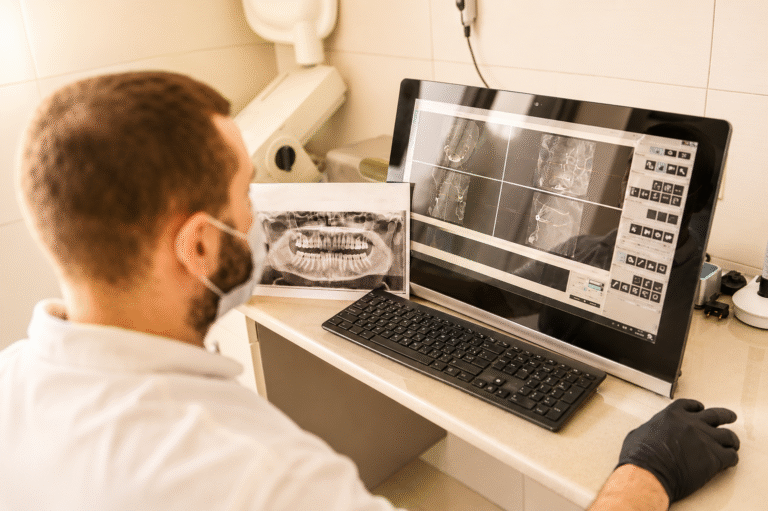
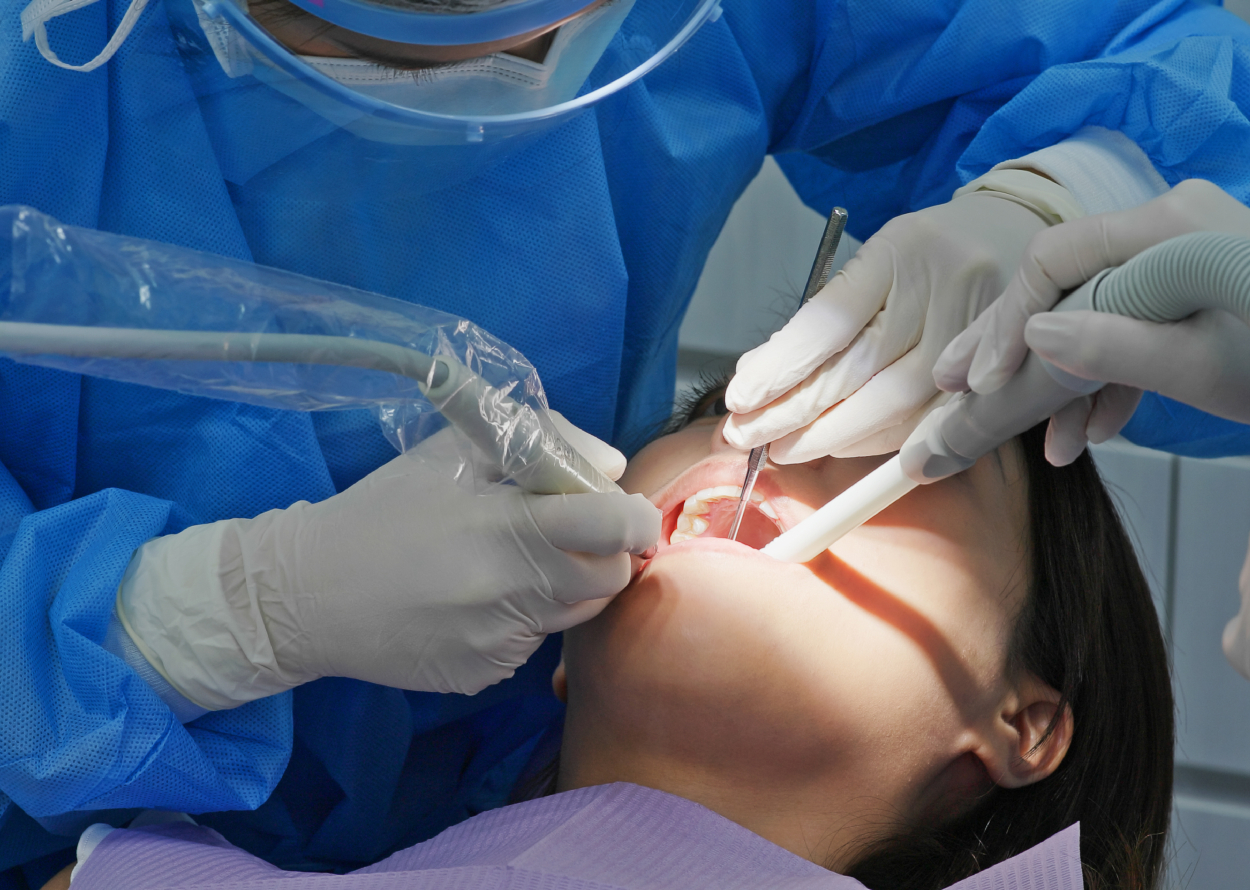
Routine appointments are often framed as a cleaning every six months, but that shorthand leaves out the real value. A professional exam looks for changes a patient cannot easily see or feel yet. Early cavities, cracked fillings, bite wear, gum pocketing, oral lesions, and signs of grinding often develop quietly.
There is no universal schedule that fits everyone. Six months is common, but some people benefit from more frequent cleanings, especially if they build tartar quickly, have gum disease, wear braces, or deal with dry mouth. Others with excellent home care and low risk may have some flexibility, though most still do best with regular reviews.
Skipping visits because “nothing hurts” is one of the costliest mistakes people make. Dental problems are often least expensive and least invasive when found early. Once pain arrives, the issue has usually progressed.
A good general dentist is not there only to fix damage. The role is also preventive, observational, and practical. Many conversations during routine care are not about procedures at all. They are about habits, patterns, and how to make home care more effective for a particular mouth, not an average one.
When to stop waiting and book sooner
Some symptoms deserve prompt attention, even if the next checkup is not far away. Delaying can turn a manageable problem into a more painful and expensive one.
Watch for these signs:
- Bleeding gums that continue despite improved cleaning for more than a couple of weeks.
- Sensitivity to cold or sweets that is new, stronger than usual, or limited to one area.
- Persistent bad breath, a bad taste, or swelling near a tooth or gumline.
- A chipped tooth, loose filling, or pain when biting down.
- Dry mouth, mouth sores, or white or red patches that do not resolve in a reasonable time.
None of these automatically means something severe is happening, but all are worth a professional look.
The habits that matter most over ten years, not ten days
Short-term fixes are seductive. Whitening strips before a wedding, an intense flossing streak before a cleaning, a new rinse after a bout of bad breath. Those things have their place, but long-term oral health is shaped by quieter choices.
The patient who drinks water more often than soda, brushes gently every night, keeps fluoride on the teeth, and sees a general dentist on a sensible schedule will usually outpace the patient who relies on cosmetic touch-ups and occasional effort. Teeth respond to repetition. Gums respond to repetition. Bacteria certainly do.
Oral health also shifts with age. Teenagers may struggle most with technique and diet. Adults in their thirties and forties often deal with stress-related grinding, coffee habits, and skipped appointments. Older adults may face more recession, dry mouth, and the challenge of maintaining aging dental work. The core principles stay stable, but the weak points change. That is why individualized advice matters.
A cleaner, healthier mouth is rarely the result of one product or one appointment. It comes from understanding what is happening daily at the gumline, between the teeth, and in the chemistry of the mouth. Most of the necessary tools are simple. The difference lies in how thoughtfully they are used.
If there is one lesson general dentists repeat more than any other, it is this: the basics are powerful when they are done well. Gentle brushing, daily interdental cleaning, smart timing around food and drink, fluoride, and regular professional care still outperform nearly every shortcut people hope will replace them. The mouth rewards consistency, and it does so quietly at first, then dramatically over time.
Smyle Dental Newhall
Address: 23754 Newhall Ave, Santa Clarita, CA 91321
Phone number: +16612559200
FAQ About General dentist
What does it mean by general dentist?
A general dentist is your primary dental care provider. They focus on the overall prevention, diagnosis, and treatment of your daily oral health needs. Think of them as your primary care doctor, but for your teeth and gums.
What is the difference between a dentist and a general dentist?
A dentist is a broad professional title for any licensed oral healthcare provider, while a general dentist is a specific type of primary care dentist who focuses on routine, preventive, and everyday treatments.
What is the difference between a dentistry practitioner and a dentist?
A dentist is a licensed doctoral-level healthcare professional, whereas a dental practitioner is a broader umbrella term that can include dentists as well as other trained oral health professionals.