Emergency Dentist Care for Sports-Related Tooth Injuries
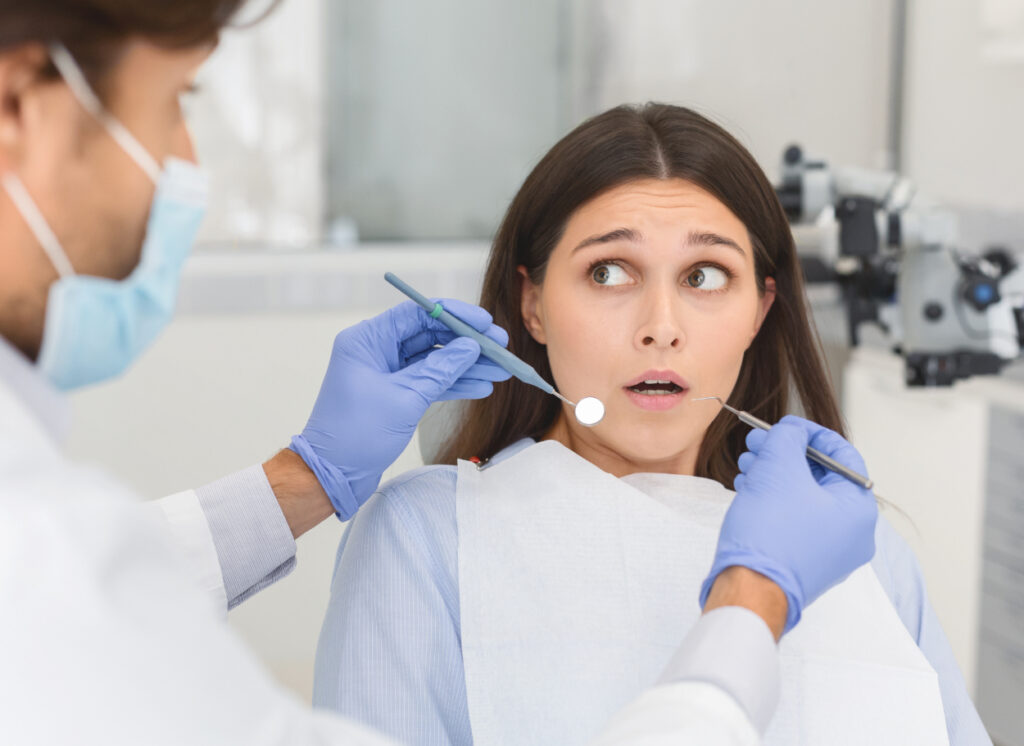
A split second changes everything in sports. One high elbow in the paint, a fastball that rides up and in, a collision at second base, a stick to the mouth in hockey, a bad fall from a bike, and a healthy smile can turn into a true dental emergency. The injury is often painful, but pain is only part of the story. Teeth, gums, lips, and jaw structures can all be damaged at once, and the first hour after the accident can shape what happens for years.
Sports-related dental trauma is one of those situations where timing matters more than most people realize. A chipped front tooth may look minor but expose the nerve. A tooth pushed out of position may still be savable if treated quickly. A completely knocked-out permanent tooth can sometimes be replanted successfully, but only when the handling is right and the delay is short. That is where an Emergency Dentist becomes essential, not as a convenience, but as a critical part of preserving function, appearance, and long-term oral health.
People often assume the emergency is obvious only when there is heavy bleeding or a missing tooth. In practice, some of the most important injuries are the ones families underestimate. A child says a tooth feels “weird” after a soccer collision. An adult player notices the bite no longer lines up after taking a hit to the jaw. A tooth looks intact but turns dark a few days later. These are not details to watch casually for a week. They are clues that a deeper injury may already be developing.
What sports injuries do to teeth
The mouth absorbs force in complicated ways. Teeth can fracture, loosen, shift, or come out entirely. The surrounding bone can crack. Gum tissue can tear. The pulp inside the tooth, where the nerve and blood supply live, can be bruised or severed even when the outer enamel still looks acceptable.
That is why sports injuries rarely fit into neat categories. A basketball player may walk in with a chipped incisor and leave with a treatment plan for a root canal because the fracture ran deeper than expected. A teenage hockey player may present with two front teeth that appear only slightly displaced, yet radiographs reveal root damage that calls for splinting and close follow-up. A cyclist may complain more about a cut lip than the tooth under it, even though the tooth has been intruded, driven up into the gum and bone, which is one of the more serious traumatic injuries.
The visible damage matters, but so do the mechanics of the hit. A blow from the front tends to affect front teeth and lips. A side impact can crack cusps on back teeth or injure the temporomandibular joint. Repeated contact sports can also produce cumulative wear, small cracks, or trauma to restorations such as veneers, crowns, and bonded fillings.
The injuries that need same-day attention
Many sports-related tooth injuries deserve immediate assessment, even if the patient seems calm and the bleeding slows quickly. Teeth do not heal the way skin does. The window to save tooth structure or prevent infection can be short.
A fully avulsed permanent tooth, meaning a tooth that has been knocked out, is the classic emergency. Every minute outside the mouth reduces the chances of successful reattachment because the periodontal ligament cells on the root surface begin to die. If the tooth is handled correctly and the patient reaches an Emergency Dentist fast, the outcome may be surprisingly good. If the tooth sits dry in a paper towel for an hour, the odds worsen dramatically.
Displaced teeth also need urgent care. A tooth that has been pushed inward, outward, or sideways may still have its root intact, but its support structures are injured. Repositioning and stabilization often need to happen promptly. Deep fractures, especially those causing sharp pain with air or cold, are another same-day problem because exposed dentin or pulp can lead to infection and severe sensitivity.
Bleeding from the gums or lips usually looks dramatic, but altered bite can be even more important. If the teeth no longer meet properly after a hit, the issue may involve jaw injury, tooth displacement, or fracture lines that are not obvious in a bathroom mirror. A patient with difficulty opening the mouth, numbness, or facial asymmetry deserves urgent evaluation that may extend beyond dental care.
What to do in the first minutes after the injury
The first response should be calm, fast, and practical. Panic leads people to make well-meant mistakes, such as scrubbing the root of a knocked-out tooth or assuming a baby tooth should be pushed back in. It should not.
Here is the short version of what helps most before you reach an Emergency Dentist:
- Control bleeding with clean gauze or a soft cloth, using gentle pressure.
- If a permanent tooth is knocked out, pick it up by the crown, not the root, and rinse it briefly with milk or saline if dirty.
- Try to place the tooth back in the socket only if the person is alert, cooperative, and it is clearly a permanent tooth. If not, store it in milk or inside the cheek if safe to do so.
- Use a cold compress on the outside of the face to reduce swelling.
- Seek dental care immediately, and bring any broken tooth fragments with you.
Those steps sound simple, but they are often mishandled. The distinction between crown and root is especially important. The crown is the part normally seen in the mouth. The root is covered with delicate living tissue that should not be scrubbed, scraped, or dried out. I have seen good outcomes after avulsions where a parent kept the tooth in cold milk during the drive. I have also seen teeth become unsalvageable because they were wrapped in tissue and left dry on the sidelines.
One point needs emphasis for parents. A knocked-out baby tooth is not treated the same way as a knocked-out permanent tooth. Baby teeth generally should not be replanted because doing so can damage the developing permanent tooth beneath. That decision should still be guided by a dental professional, but the default action is not the same.
How an Emergency Dentist evaluates the injury
At the visit, the exam goes beyond the obvious chip or gap. A good emergency assessment starts with the story of the impact. What sport was involved, how long ago did it happen, was there loss of consciousness, and has the bite changed? That history often points to hidden damage before the X-rays are even taken.
The dentist then evaluates tooth mobility, displacement, sensitivity, gum injury, lip and cheek lacerations, and the way the teeth come together. Radiographs help identify root fractures, intrusion, supporting bone injury, and the presence of tooth fragments embedded in soft tissue. It is not unusual to find a small enamel shard in the lower lip after a face-first collision. If that fragment is missed, the area can remain tender and swollen for weeks.
Pulp testing may or may not provide definitive answers right away. Immediately after trauma, a tooth’s nerve response can be temporarily unreliable. That uncertainty is one reason follow-up matters. A tooth that survives the first day may still develop pulpal necrosis weeks or months later, especially in mature teeth with closed root tips.
An experienced Emergency Dentist also has to make judgment calls under imperfect conditions. Should a fractured tooth be restored immediately, temporarily sealed, or monitored until swelling resolves? Is splinting needed, and if so, for how long? Does the case require referral to an endodontist, oral surgeon, or hospital emergency department? Good emergency care is not just technical skill. It is triage, timing, and knowing when to widen the circle of care.
Common treatments after sports trauma
Treatment depends on the type and depth of the injury, but a few patterns appear often in sports cases. A small enamel chip may need only smoothing or bonding. A larger fracture involving dentin usually calls for a protective restoration to reduce sensitivity and prevent bacterial contamination. If the pulp is exposed, especially in a mature permanent tooth, root canal treatment may become necessary, either immediately or after short-term stabilization.
A tooth that has been loosened or displaced may be gently repositioned and splinted to neighboring teeth for a period that often ranges from a couple of weeks to longer, depending on the injury. The splint used in dental trauma is usually flexible rather than rigid because the goal is to support healing while allowing a healthy degree of physiological movement.
Avulsed teeth present the highest stakes. If the tooth is replanted successfully, the patient still needs close monitoring for root resorption, infection, and pulpal changes. Many replanted mature teeth eventually require root canal treatment. Saving the tooth in the short term is only the first stage. Preserving it over time is the harder part.
Soft tissue injuries should not be treated as a side note. Cuts to the lips, cheeks, or tongue may need cleaning, suturing, and checks for embedded tooth fragments. Ignoring those wounds can lead to infection, scar formation, or persistent discomfort. In younger athletes, trauma can also affect the growth and eruption patterns of developing teeth, which sometimes becomes apparent long after the original accident seems resolved.
The cases families underestimate
One of the most common mistakes is assuming that if a tooth is still in the mouth, the damage cannot be serious. That is simply not true. Concussion injuries to teeth, where the tooth is bruised but not visibly displaced, can produce delayed complications. The child goes back to school, the soreness fades, and then six weeks later the tooth darkens. That color change may signal internal bleeding, calcific changes, or pulp death. None of those possibilities should be guessed at from home.
Another underestimated case is the cracked back tooth after contact or clenching during impact. A player may not notice it immediately because the front of the mouth took the obvious hit. Days later, chewing on one side sends a sharp pain through the molar. Hairline cracks are notoriously tricky. Some can be bonded and observed. Others deepen under biting pressure and eventually need crowns or root canal treatment. The earlier they are identified, the better the odds of a more conservative fix.
Orthodontic patients add another layer. Brackets can cut cheeks and lips during trauma, wires can bend into soft tissue, and the forces that guide tooth movement can complicate post-injury stability. Emergency care may involve both trauma management and coordination with the orthodontist afterward. Mouth injuries in braces tend to look worse because of blood and hardware, but they are also easier to mishandle if someone tries to cut wires or pull components without guidance.
Children, teens, and adult athletes are not the same
Age changes the treatment strategy. In children and early adolescents, the roots of permanent teeth may still be developing. That can be a challenge, but it can also be an advantage. Immature permanent teeth sometimes have a better chance of preserving pulp vitality or revascularizing under the right circumstances. The decisions are delicate because keeping the tooth alive supports continued root formation, which strongly improves the long-term outlook.
In adults, roots are fully formed, and traumatic injuries more often lead to pulpal complications that require root canal treatment. Adults may also bring restorations, prior dental work, and older fractures into the picture. A blow that chips a natural tooth in a 14-year-old can shatter a crown margin or compromise a root-treated tooth in a 40-year-old.
Teen athletes often present the toughest practical challenges. They want to return to play quickly, cosmetic concerns are high, and schedules are crowded with school, travel teams, and tournaments. The pressure to “just fix it enough for now” is real. Sometimes a temporary cosmetic repair is appropriate, but athletes and parents should understand when that approach carries risk. A beautiful bonded front tooth that has not had its pulp properly assessed may still fail later.
Pain control, appearance, and function all matter
Patients do not experience these injuries as dental diagrams. They experience them as fear, swelling, embarrassment, difficulty eating, missed practice, and photos they do not want taken. A professional approach respects all of that.
Pain control should be thoughtful. Some injuries respond well to cold compresses, a soft diet, and common over-the-counter medication if medically appropriate. Others need local treatment to reduce occlusal trauma or protect exposed tissue. Cosmetic repair also matters more than people sometimes admit. A fractured front tooth affects speech, confidence, and social comfort, especially for adolescents and young adults. Restoring appearance early, when feasible, is not vanity. It is part of normal functioning.
At the same time, appearance should not outrun biology. There are cases where a quick bonding result looks excellent, but the tooth later discolors or abscesses because the internal injury was severe. The best emergency care balances immediate relief with long-term prognosis. That means some patients leave the office with a temporary fix, clear instructions, and a scheduled recheck rather than a final restoration on day one.
When the emergency room is the better first stop
An Emergency Dentist is often the right first call, but not every sports injury belongs solely in a dental chair. Loss of consciousness, vomiting, confusion, significant facial swelling, suspected jaw fracture, uncontrolled bleeding, or difficulty breathing call for medical emergency evaluation immediately. Dental trauma can happen alongside concussion, facial fractures, and cervical injuries.
There is also a practical point here. In a severe collision, the tooth injury that grabs attention may not be the most urgent problem. I have seen patients focus on a broken front tooth while speaking through a jaw injury that clearly required imaging and medical support. Good advice starts with patient safety, not tooth preservation alone.
Recovery takes longer than the game clock
The visible repair is rarely the end of the case. Sports-related tooth injuries often require staged follow-up over weeks, months, and sometimes years. A tooth that looks stable today can later show root resorption, pulp necrosis, ankylosis, or color change. Periodic radiographs and clinical exams are part of responsible care, not unnecessary extras.
This follow-up phase is where some of the most important decisions are made. Does a replanted tooth remain serviceable, or is the root beginning to resorb? Is a darkened tooth simply calcifying, or is it non-vital and infected? Has a bonded fragment held up under function, or does the patient now need a veneer or crown? Trauma dentistry asks for patience because the biology unfolds gradually.
Athletes should also be told when to return to play and under what conditions. Sometimes the answer is quick, especially for minor https://elliotjvhw404.readspirex.com/posts/how-an-emergency-dentist-treats-sudden-pressure-and-throbbing-pain chips. Other times a custom mouthguard, temporary activity restriction, or avoidance of contact is wise until splints are removed or symptoms settle. Returning too soon can turn a manageable injury into a far more complicated one.
Preventing the next injury without overpromising
No mouthguard can eliminate all risk, but good prevention changes the odds in a meaningful way. The quality of protection matters, and so does whether the athlete actually wears it during the moments that count. A custom-fitted mouthguard generally offers better comfort, retention, and protection than a loose stock version rattling around in the mouth. Athletes are also more likely to keep a well-fitted guard in place instead of chewing on it or taking it out.
For anyone serious about reducing dental trauma risk, these measures help most:
- Use a properly fitted mouthguard for contact and collision sports, and for activities like mountain biking, skating, and martial arts where falls are common.
- Replace mouthguards that are torn, distorted, or no longer fit because of growth, dental work, or orthodontic treatment.
- Pair mouth protection with helmets and face shields when the sport warrants them, since many dental injuries occur as part of broader facial trauma.
- Do not play through a prior tooth injury without clearance, especially if a tooth feels loose or the bite has changed.
- Keep the contact information for an Emergency Dentist accessible during practices, games, and tournaments.
Prevention also includes coaching habits and team culture. Players who understand why mouthguards matter use them more consistently. Parents who know the difference between a baby tooth and a permanent tooth respond better under pressure. Coaches who keep basic dental trauma instructions in the medical kit save time when the injury happens three fields away from the parking lot.
Why the first phone call matters
When a sports injury involves the mouth, the right first call can preserve options. Speaking directly with an Emergency Dentist’s office helps determine whether the tooth should be replanted at the scene, stored in milk, brought in immediately, or evaluated alongside a medical injury. That guidance is especially valuable for parents and coaches trying to make decisions with a crying child, blood on a jersey, and a crowd offering conflicting advice.
Not every damaged sports tooth can be saved, and not every repair will be simple. But many outcomes are far better than people fear when the injury is handled correctly and quickly. Prompt care can save teeth, reduce future treatment, lower long-term costs, and protect confidence in the process. In sports, people prepare for sprains, fractures, and concussions. Dental trauma deserves that same level of respect, because when seconds matter and the smile is on the line, expert emergency care is not optional. It is part of the game plan.
Simple Dental Vermont
Address: 8914 S Vermont Ave, Los Angeles, CA 90044
Phone number: +13239493000
FAQ About Emergency Dentist Los Angeles CA
What can the ER do for a tooth?
The emergency room can provide temporary symptom relief for a bad tooth, such as prescribing pain medicine or antibiotics, but it cannot fix the actual dental problem.
What is the 3-3-3 rule for tooth infection?
The 3-3-3 rule for a toothache or infection typically means taking three 200 mg ibuprofen tablets (600 mg total) three times a day for no more than three days to control pain and swelling while waiting to see a dentist.
What do you do if you have a dental emergency but no dentist?
If you have a dental emergency and no regular dentist, you should search for an urgent care dental clinic, call local walk-in dental offices, or go to a hospital emergency room if you have severe bleeding, swelling, or trouble breathing.