Benefits of Regular Checkups With a General Dentist in Santa Clarita CA
Dental care tends to work best when it is steady, uneventful, and almost boring. That may not sound exciting, but it is exactly the point. The healthiest mouths are often maintained through routine, not rescue. Regular checkups with a general dentist give patients the chance to stay ahead of small issues before they become painful, expensive, or disruptive. In a place like Santa Clarita, where families juggle school schedules, long workdays, commutes, sports, and everything else life packs into a week, preventive care has practical value far beyond the dental chair.
People often think of a dental appointment as something to schedule only when a tooth hurts or a filling falls out. In practice, that approach usually costs more in time, money, and discomfort. Teeth rarely go from healthy to severely damaged overnight. Gums do not usually begin bleeding heavily without earlier signs. Even problems that feel sudden, such as a cracked molar or a throbbing cavity, typically started developing months earlier. A general dentist’s role is to catch those changes early, interpret what they mean, and guide the next step while treatment is still manageable.
For many patients, regular checkups are less about reacting to disease and more about preserving normal function. Eating comfortably, speaking clearly, sleeping without jaw pain, and smiling without hesitation all depend on oral health. When those basics are working, people often stop thinking about them. A good general dentist helps keep it that way.
What a routine dental checkup actually covers
A checkup is more than a quick glance at the teeth. In a well-run general practice, the appointment combines examination, preventive care, screening, and education. It is a chance to look at the entire mouth, not just the area that might feel sensitive. That broader view matters because oral health problems often show up in connected ways. A cavity can influence chewing habits, uneven chewing can aggravate jaw joints, and gum inflammation can make restorative work more complicated later.
Most routine visits include a professional cleaning, an exam, and, when needed, updated X-rays. During the cleaning, hardened tartar is removed from areas brushing and flossing cannot fully reach. That alone makes a difference. Plaque is soft and can be disrupted at home, but tartar bonds to the tooth surface and creates rough areas where more bacteria collect. Over time, that cycle raises the risk of both decay and gum disease.
The exam portion is where regular visits really earn https://gregoryhuol421.opalvector.com/posts/how-a-general-dentist-in-santa-clarita-ca-helps-preserve-oral-health their value. A dentist checks for early cavities, worn fillings, chips, cracks, gum recession, bite changes, oral lesions, and signs of clenching or grinding. Even subtle findings matter. A hairline crack in a back tooth may not hurt today, but if it deepens under chewing pressure, it can lead to a more serious fracture that requires a crown or root canal. Catching it early often means more conservative treatment.
For patients searching for a General dentist Santa Clarita CA, this preventive, comprehensive approach is one of the main reasons to establish care before anything goes wrong. Familiarity with your baseline oral health helps your dentist notice changes sooner and recommend treatment with more confidence.
The financial case for prevention is stronger than many people realize
People sometimes postpone checkups to save money, especially if they are not in pain. On paper, skipping a routine visit may seem like a short-term win. In real life, dental problems tend to compound. A small cavity can often be treated with a straightforward filling. Leave it long enough, and the decay can reach the nerve, turning a relatively modest procedure into a root canal and crown. If the tooth becomes non-restorable, extraction and replacement drive costs even higher.
The same pattern shows up with gum disease. Mild gingivitis may improve with professional cleaning and better home care. Once the condition progresses into periodontitis, patients can face deeper cleanings, more frequent maintenance, bone loss, mobility, and, in some cases, eventual tooth loss. That is a much bigger burden than keeping routine six-month visits.
This does not mean every patient needs identical treatment or that every delay leads to disaster. Dentistry is not that simple. Some people are naturally lower risk for cavities. Others are meticulous brushers but prone to grinding. Some have excellent gums and poor enamel, while others have the opposite pattern. A good dentist tailors recall intervals and recommendations to actual risk. Still, regular checkups give the dentist enough information to make those judgments intelligently rather than guessing after a crisis develops.
Why cleanings matter even for people with good home care
Patients who brush twice a day and floss consistently sometimes wonder whether professional cleanings are truly necessary. The short answer is yes, though the reason is not that they are doing something wrong. Home care is essential, but it has limits. Toothbrush bristles do not scale away tartar. Floss technique varies, and crowded lower front teeth often collect deposits in places that are difficult to clean thoroughly. Saliva chemistry also plays a role. Some people build tartar quickly no matter how disciplined they are.
Professional cleanings do more than polish the teeth. They reduce bacterial load, remove buildup from hard-to-reach spots, and create a cleaner environment that supports gum health. They also provide a reset point. If there has been inflammation around the gums, removing the irritants allows the tissue a chance to recover. Many patients notice that their gums stop bleeding after a cleaning and a few weeks of more focused home care. That change is not cosmetic. It is a sign that the tissue is less inflamed.
There is also a practical psychological benefit. Regular appointments create accountability without shame. People are more likely to maintain good brushing, flossing, and retainer habits when they know someone is checking progress periodically. Over the years, that consistency adds up.
Gum disease often stays quiet until it becomes harder to treat
Cavities get attention because they can hurt. Gum disease is often quieter, which makes it easier to ignore. Early gum inflammation may show up as bleeding during brushing, persistent bad breath, puffiness, or tenderness, but many people dismiss those signs. More advanced disease can progress with very little pain while bone around the teeth gradually breaks down.
This is one of the clearest reasons regular dental visits matter. A dentist and hygienist can measure gum pockets, note recession, evaluate mobility, and compare findings over time. That long view is important. One isolated visit gives a snapshot. A series of routine visits shows a pattern. If pocket depths are increasing or plaque control is slipping in specific areas, the team can intervene before the condition becomes more destructive.
Patients are often surprised to learn how treatable early gum disease can be. Improved home care, targeted cleanings, and more frequent maintenance can make a meaningful difference. Once substantial bone loss occurs, however, treatment becomes more involved and the damage cannot always be fully reversed. Prevention is not a slogan here. It is the simplest path.
Regular exams can reveal issues beyond cavities
A general dentist does not only look for decay. Oral examinations can uncover a range of concerns that patients may not notice themselves. These include suspicious soft tissue changes, bite instability, worn enamel from grinding, changes around old dental work, dry mouth, and signs of acid erosion. Each of these has its own implications.
Take clenching and grinding as an example. Many patients are unaware they do it until they start waking with sore jaw muscles or headaches, or until a dentist points out flattened chewing surfaces and tiny fractures in the enamel. Left unchecked, that habit can shorten teeth, crack restorations, stress the jaw joints, and increase sensitivity. Identifying it early can lead to straightforward solutions such as a night guard, bite evaluation, or habit changes.
Dry mouth is another issue that routine checkups can catch. It is common in adults who take certain medications or deal with chronic health conditions. Reduced saliva is not just uncomfortable. It raises the risk of cavities, especially along the roots of the teeth, because saliva helps neutralize acids and protect enamel. If a dentist notices this pattern, they can recommend fluoride products, hydration strategies, salivary substitutes, and shorter recall intervals.
That broader screening role is one reason patients benefit from seeing the same provider over time. Subtle changes become easier to spot when the dentist knows what your mouth looked like a year ago.
The value of X-rays, used thoughtfully
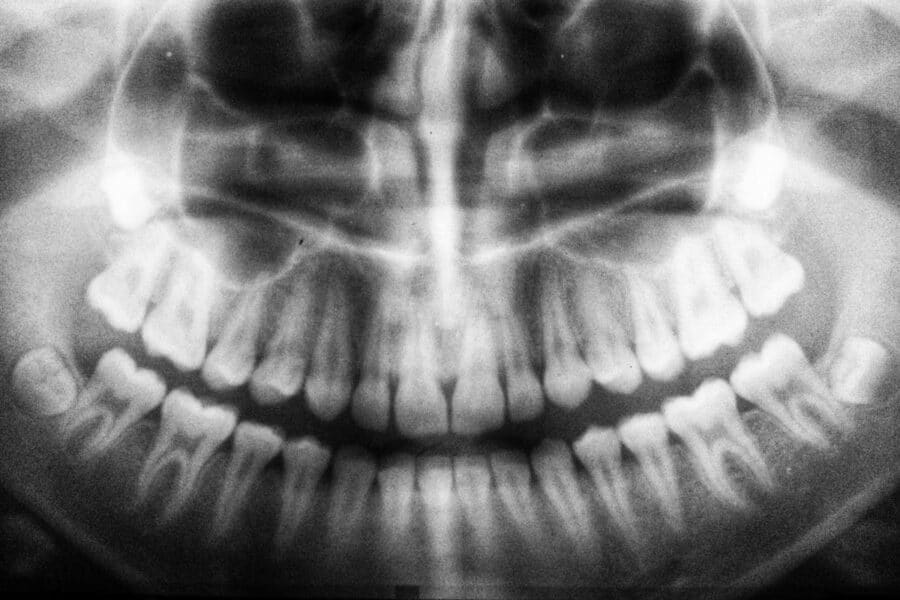
Dental X-rays make some patients uneasy, usually because they worry about radiation or unnecessary imaging. Those are fair concerns, and good dentists address them directly. X-rays should not be taken casually, but they are extremely useful when timed appropriately. They reveal areas that cannot be assessed fully by visual exam alone, including decay between teeth, infection near roots, bone levels, and the status of developing or impacted teeth.
The key is judgment. Not every patient needs the same set of images at the same frequency. Someone with a history of repeated cavities, large existing restorations, and dry mouth may benefit from more frequent monitoring than a low-risk patient with a stable mouth and excellent home care. A careful general dentist weighs those factors rather than applying a one-size-fits-all schedule.
In day-to-day practice, X-rays often find problems while they are still small. That changes the treatment conversation. A cavity identified between two teeth before it undermines a cusp is very different from one discovered only after part of the tooth breaks. The earlier finding is usually simpler, less invasive, and easier on the patient.
Children, teens, and adults each gain something different from checkups
Age changes what matters most during routine dental care. For children, checkups often focus on growth, eruption patterns, hygiene coaching, diet habits, sealants, and early cavity prevention. The goal is not just to treat disease but to build a stable foundation. Kids who become comfortable with routine dental visits early tend to carry that ease into adulthood.
For teenagers, orthodontic changes, sports injuries, wisdom teeth monitoring, and diet choices often enter the picture. This is also a common age for lapses in oral hygiene. Regular visits provide a chance for timely course correction without turning the conversation into a lecture. A teen with braces, for example, may need more frequent cleanings because plaque retention increases around brackets and wires.
Adults bring a different set of concerns. Old fillings begin to age. Gum recession can expose sensitive root surfaces. Grinding may intensify during periods of stress. Cosmetic concerns sometimes blend with functional ones, especially when front teeth chip or darken over time. Regular checkups help prioritize what needs attention now versus what can be monitored safely.
Older adults may face yet another layer, including medication-related dry mouth, root decay, wear, and the maintenance of crowns, bridges, implants, or dentures. At every stage, continuity of care matters.
How routine visits reduce dental anxiety over time
People with dental anxiety often postpone visits until a problem becomes impossible to ignore. Unfortunately, that delay usually makes the eventual appointment more stressful because the issue is larger, the treatment is more involved, and trust has not had time to build. Routine checkups can gradually reverse that cycle.
Familiarity is powerful. When patients see the same office regularly for low-stakes visits, they learn the team’s pace, communication style, and standards. They know what the instruments sound like, how X-rays are taken, and how questions are handled. The unknown shrinks. That matters more than many clinicians realize.
I have seen anxious patients do particularly well when the office explains findings clearly and avoids overselling treatment. If a dentist says, “This area should be watched, but it does not need a filling today,” that honesty builds credibility. Over time, patients become more willing to come in early when something feels off because they trust they will get measured advice rather than pressure.
A few practical habits often help anxious patients get more from their routine visits:
- Schedule earlier in the day, before stress builds.
- Ask the office to explain each step before it happens.
- Mention past bad experiences upfront, even briefly.
- Use regular checkups to maintain familiarity, not just emergencies.
- Discuss comfort options if cleanings or X-rays are difficult.
That kind of preparation turns routine care into something predictable, which is often the first real step in reducing fear.
Santa Clarita families often benefit from convenience and continuity
In suburban communities, convenience is not trivial. It directly affects whether preventive care happens on schedule. Families in Santa Clarita often balance multiple school calendars, extracurriculars, and work commitments across the valley. When a household has an established dental home, routine care becomes easier to maintain. Parents can coordinate appointments, children see oral health modeled as normal, and records stay centralized.
There is also a practical advantage when an unexpected issue comes up. If a patient chips a tooth before a wedding, develops sensitivity before travel, or wakes with swelling, an office that already knows their history can usually act faster and with better context. Existing X-rays, previous notes, and awareness of earlier restorations all make decision-making more efficient.
For anyone seeking a General dentist Santa Clarita CA, this continuity can be just as important as location. A provider who has seen your mouth regularly is better positioned to say whether a change is minor, urgent, or part of a broader pattern.
Preventive care supports appearance, but not in a superficial way
People sometimes separate dental health from appearance, as if one is medical and the other is merely cosmetic. In reality, they overlap all the time. Clean teeth, healthy gums, and stable restorations generally look better because they are healthier. Bleeding gums, tartar buildup, dark margins around old crowns, and chipped edges all affect appearance, but they also reflect clinical issues that deserve attention.
Regular checkups can preserve a natural-looking smile without major cosmetic work. Professional cleanings remove surface stains from coffee, tea, and wine. Small chips can be smoothed or repaired before they catch the eye. Gum inflammation can be treated before it changes the shape and color of the smile. Even simple guidance on whitening, toothpaste abrasiveness, or retainer use can prevent setbacks.
There is a worthwhile trade-off to mention here. Not every cosmetic concern requires immediate intervention. A tiny craze line in enamel may not need treatment. A slightly stained but intact filling might function well for years. A careful general dentist helps patients distinguish between what is urgent, what is elective, and what is best monitored. That balanced advice keeps care grounded and avoids the trap of overtreatment.
What patients should expect from a good long-term relationship with a dentist
The best preventive dental care is collaborative. Patients should expect a dentist to notice patterns, explain options clearly, and respect their priorities. A checkup should not feel rushed, opaque, or transactional. If a patient has concerns about cost, sensitivity, appearance, or timing, those concerns should shape the treatment plan.
Over the long term, a strong relationship with a dentist usually includes a few consistent elements. Recommendations make sense in light of your history. Changes are documented and compared over time. Questions are answered directly. There is room for judgment, not just rigid rules. Some teeth can be watched. Others should be restored before they fracture further. Good general dentistry lives in that nuance.
This is especially important for patients with complex histories, such as frequent cavities, extensive older dental work, prior orthodontics, grinding, or gum issues. They need more than generic reminders to floss. They need a provider who understands how those factors interact and can prioritize care sensibly over the years.
A practical way to think about timing
Many patients have heard that they should see the dentist every six months. That interval is common for good reason, but it is not sacred. Some people do well on that schedule for decades. Others need shorter intervals because of periodontal disease, high decay risk, braces, heavy tartar buildup, or dry mouth. A few truly low-risk patients may be advised differently based on their history and current findings.
The important point is not the exact number of months. It is consistency and personalization. Waiting until there is pain is a poor strategy because pain is a late signal for many dental problems. By the time something hurts, the treatment options are usually fewer and more invasive.
Routine checkups make oral health easier to manage because they replace uncertainty with information. They catch subtle changes, support gum health, reduce emergency visits, and often save money over time. They also help patients build trust with a provider who knows their history and can guide decisions with context. For busy individuals and families alike, that kind of steady care is one of the most practical investments they can make in long-term health.
If you have been putting off an appointment because nothing feels wrong, that may be the best time to go. The most valuable dental visits are often the ones where the dentist finds very little, confirms that things are stable, and helps keep it that way.
Smyle Dental Newhall
Address: 23754 Newhall Ave, Santa Clarita, CA 91321
Phone number: +16612559200
FAQ About General dentist Santa Clarita CA
What does it mean by general dentist?
A general dentist is your primary dental care provider. They focus on the overall prevention, diagnosis, and treatment of your daily oral health needs. Think of them as your primary care doctor, but for your teeth and gums.
What is the difference between a dentist and a general dentist?
A dentist is a broad professional title for any licensed oral healthcare provider, while a general dentist is a specific type of primary care dentist who focuses on routine, preventive, and everyday treatments.
What is the difference between a dentistry practitioner and a dentist?
A dentist is a licensed doctoral-level healthcare professional, whereas a dental practitioner is a broader umbrella term that can include dentists as well as other trained oral health professionals.